May 31, 2026
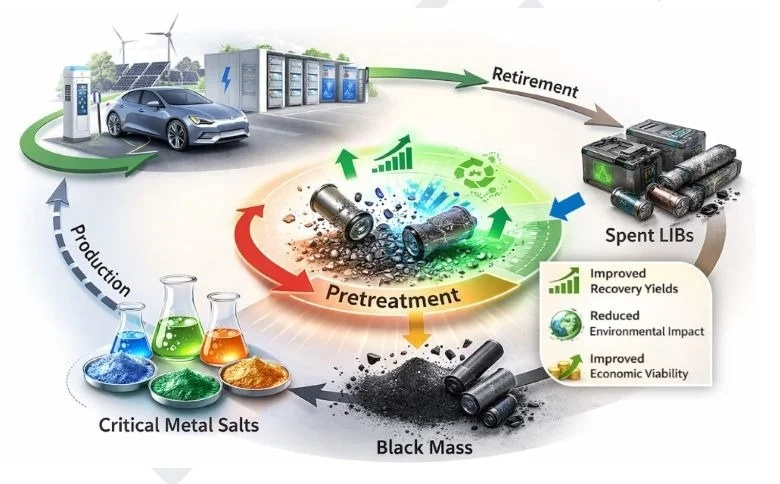
In traditional economic systems, the “take-make-dispose” principle is employed. In this case, the problem with resource depletion and waste generation is considerable. In contrast, a circular economy can provide a sustainable way to manage resources by extending their lifecycle to its fullest extent.
The concept of recycling becomes key in this context since, through recycling, we can recover valuable resources from used goods and put them back into circulation.
From the perspective of industry, recycling will help to save money on operations, promote sustainable business practices, and comply with environmental legislation. On the other hand, recycling helps to limit the use of landfill and preserve natural resources for future use.
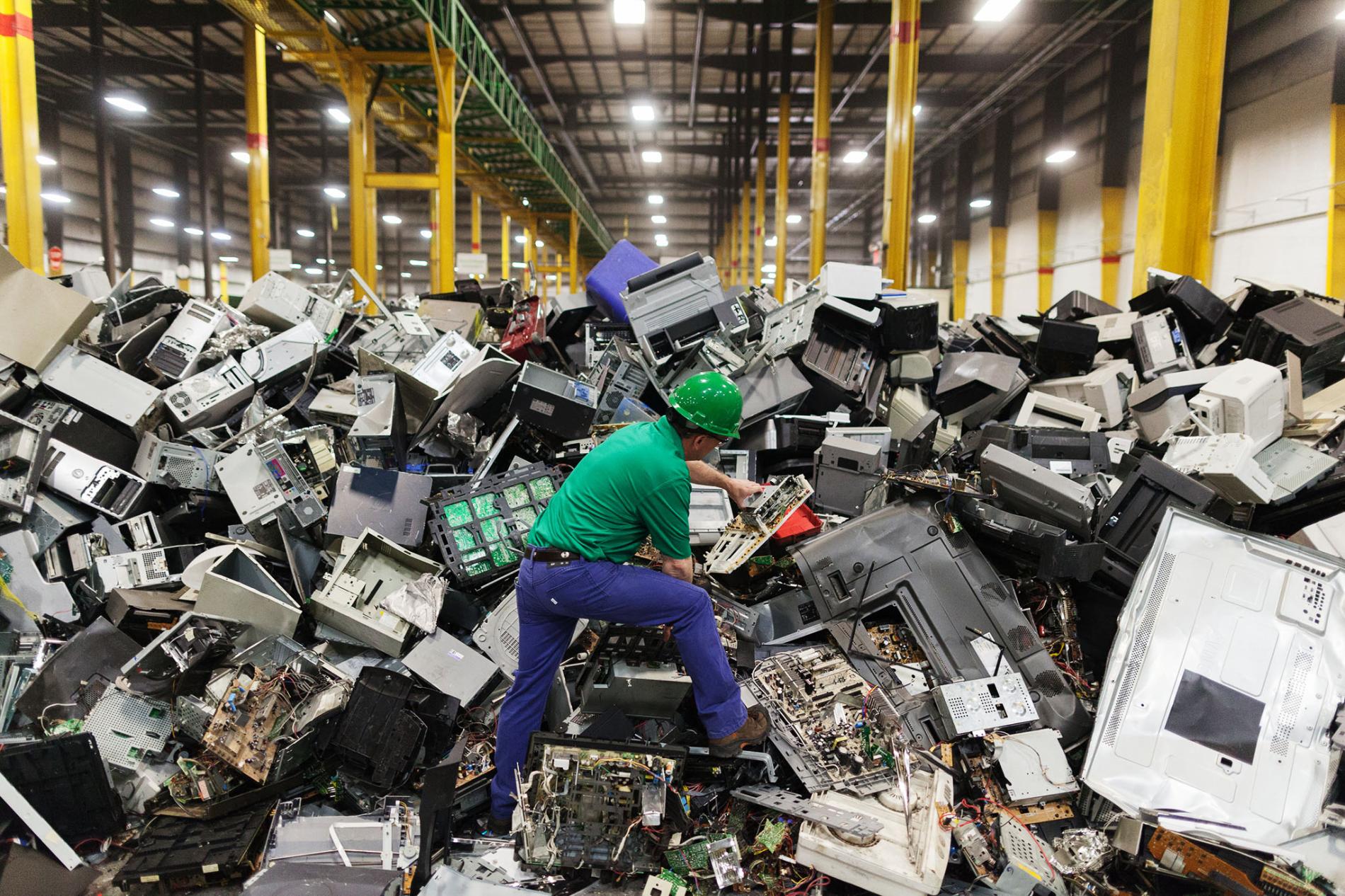
Various types of waste – electronic waste, batteries, plastics, metals – can be recycled effectively and used again in manufacturing processes. Through building up a proper recycling infrastructure, society may quickly move towards a circular economy model.
Varaha Recycling contributes to this process by offering advanced recycling technologies.
- Advantages of a Circular Economy
- Reduced waste generation
- Lower resource consumption
- Improved environmental protection
- Greater economic efficiency
- Long-term sustainability
A circular economy is not just about recycling—it is about creating a future where resources are used smarter, longer, and more responsibly.